Niacinamide, also known as Vitamin B3, is a skincare superstar renowned for its versatility and effectiveness. Whether you're a skincare novice or a seasoned enthusiast, incorporating niacinamide into your routine can provide numerous benefits, from enhancing hydration to improving skin texture. In this detailed guide, we'll walk you through the process of integrating niacinamide into your skincare regimen, providing clear steps and tips to help you achieve optimal results.
What is Niacinamide?
Niacinamide is a water-soluble vitamin that is a key player in maintaining healthy skin. It offers a range of benefits, including:
Step-by-Step Guide to Incorporating Niacinamide
1. Identify Your Skin Type and Concerns
Before adding niacinamide to your routine, assess your skin type and specific concerns. Niacinamide is generally well-tolerated by all skin types, but understanding your skin needs will help you choose the right formulation and combination of products.
Dry Skin:
Niacinamide can boost hydration and strengthen the skin barrier.Oily/Acne-Prone Skin:
It helps regulate oil production and reduce the appearance of pores.Sensitive Skin:
Its anti-inflammatory properties make it suitable for calming irritated skin.Hyperpigmentation:
Niacinamide can help to even out skin tone and reduce dark spots.
2. Choose the Right Niacinamide Product
Niacinamide is available in various formulations, including serums, creams, and toners. Selecting the right product depends on your skin type and the specific benefits you're looking to achieve.
Serums:
Concentrated formulations that deliver niacinamide directly to the skin. Ideal for targeting specific issues such as hyperpigmentation or fine lines.Creams:
Provide hydration and barrier support along with niacinamide. Suitable for dry or combination skin.Toners:
Can be used as an additional step to prepare the skin for further treatment.
3. Patch Test Before Use
Even though niacinamide is generally safe for most skin types, it's always a good idea to perform a patch test before incorporating a new product into your routine. Apply a small amount of the product to a discreet area of your skin (such as behind your ear) and wait 24 hours to check for any adverse reactions.
4. Start Slowly and Gradually Introduce Niacinamide
When introducing a new ingredient like niacinamide into your skincare routine, start with a lower concentration and gradually increase it. This approach allows your skin to adjust and helps you gauge how your skin responds.
5. Apply Niacinamide in the Right Order
The order of application is crucial for maximizing the effectiveness of niacinamide and other skincare products. Follow these steps for the best results:
Cleansing:
Start with a gentle cleanser to remove impurities and prepare your skin for better product absorption.Toning (Optional):
If you use a toner, apply it after cleansing to balance the skin's pH and enhance the absorption of subsequent products.Niacinamide Application:
Apply your niacinamide product. If using a serum, dispense a few drops onto your fingertips and gently press it into your skin. For creams, apply a pea-sized amount to your face and neck.Moisturizing:
Follow with a moisturizer to lock in hydration and support the skin barrier.Sun Protection:
In the morning, always apply sunscreen as the final step in your routine. Niacinamide is suitable for use both morning and night, but sunscreen is crucial for protecting your skin from UV damage.
6. Layering Niacinamide with Other Ingredients
Niacinamide is compatible with a wide range of other skincare ingredients, making it easy to integrate into your routine. Here are some common combinations:
Vitamin C:
Niacinamide and Vitamin C can be used together to enhance overall skin brightness and improve the appearance of hyperpigmentation. If using both, apply Vitamin C in the morning and niacinamide in the evening.Hyaluronic Acid:
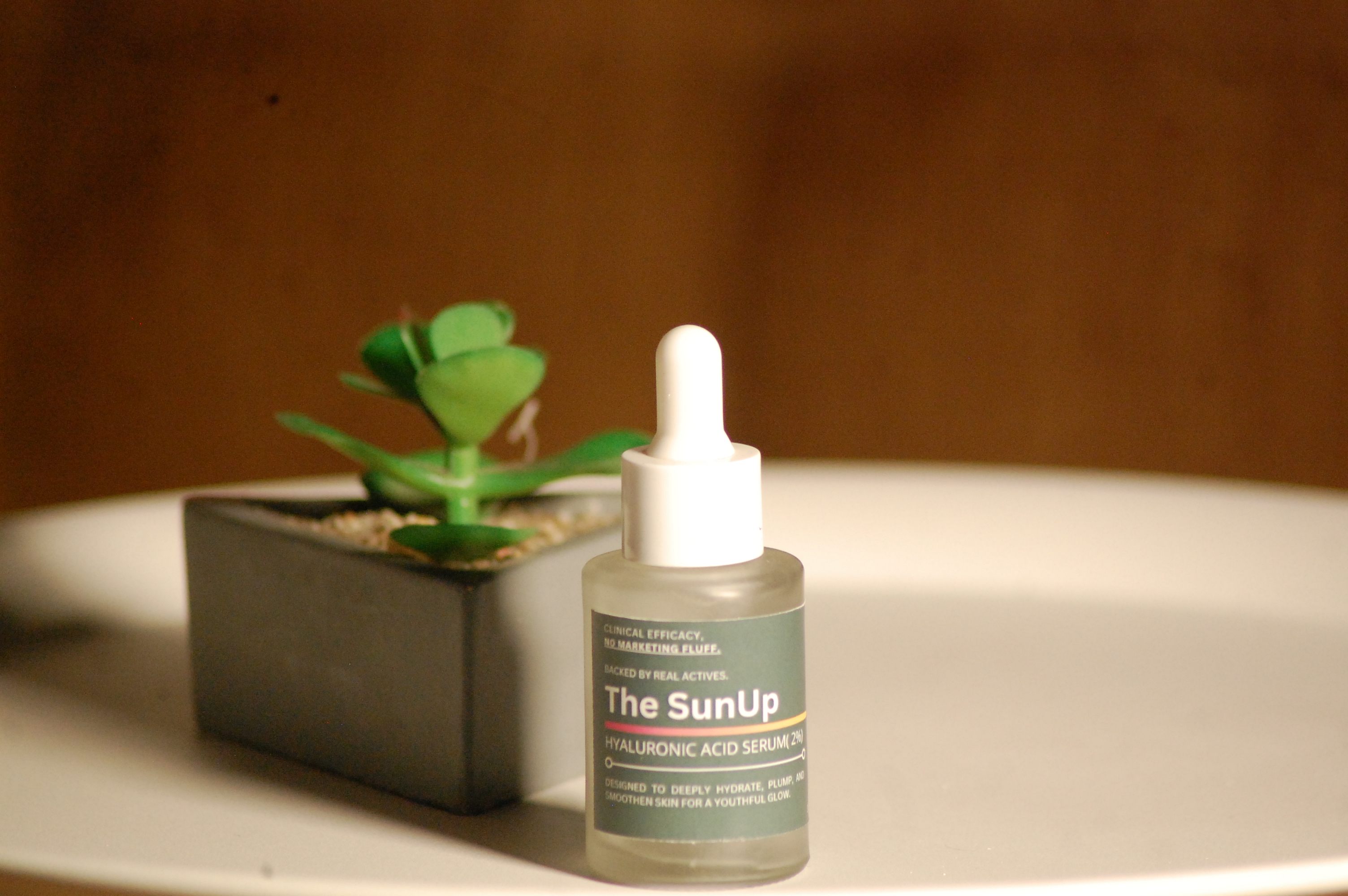
Combining niacinamide with hyaluronic acid can boost hydration and plump the skin. Apply niacinamide first, followed by hyaluronic acid.Retinoids:
Niacinamide can complement retinoids by reducing irritation and improving skin texture. Use niacinamide in the morning and retinoids at night to minimize potential irritation.
7. Monitor and Adjust Your Routine
As with any new skincare product, monitor how your skin responds to niacinamide and adjust your routine as needed. If you experience any irritation or adverse effects, consider reducing the frequency of application or consulting a dermatologist.
9. Addressing Common Concerns
Here are some common concerns and tips related to niacinamide use:
Pilling:
If your niacinamide product is causing pilling, ensure that you're applying it on clean, dry skin and allowing it to fully absorb before applying other products.Compatibility:
Niacinamide is generally compatible with most skincare ingredients. However, if you’re using highly active ingredients or have specific concerns, consult a skincare professional.
10. Be Patient and Consistent
One of the most important aspects of using niacinamide (or any skincare ingredient) is patience and consistency:
- Visible Results Take Time: Skincare improvements, including those from niacinamide, don’t happen overnight. It typically takes several weeks of consistent use to see noticeable changes in skin texture, tone, and overall appearance.
- Stick to Your Routine: Consistency is key. Incorporate niacinamide into your daily routine and use it regularly to achieve the best results. Skipping applications or using the product inconsistently can delay or diminish the benefits.
- Give Your Skin Time to Adjust: When starting with niacinamide, allow your skin time to adapt. Any initial changes, such as mild redness or irritation, usually subside as your skin becomes accustomed to the ingredient. If persistent issues arise, consult a dermatologist for personalized advice.
Conclusion
Incorporating niacinamide into your skincare routine can offer transformative benefits for a wide range of skin concerns. By following this step-by-step guide, you can effectively integrate niacinamide into your regimen, whether you're new to skincare or looking to enhance your existing routine. Remember to start slowly, monitor your skin’s response, and be patient as you work towards healthier, more radiant skin. With consistent use and the right approach, niacinamide can become a valuable ally in achieving your skincare goals.